
Case study
The Custodial Institutions Agency (DJI) has improved the logistics process behind the entire service of the Transport & Support Service (DV&O) with More Optimal planning software. The public tender and subsequent implementation were a success, completed within deadline and budget. Michiel van den Bosch, project leader from DV&O: “This was absolutely a piece of teamwork, as it should be.”
Procurement process

Van den Bosch: “The new planning software needed to cover a very wide range of services. During the procurement process, three parties were selected with whom we then engaged in extensive competitive dialogue.” More Optimal won the contract according to the project leader based on the proof-of-concept, the price, and the quality of the offered solution. “This generic package with an additional configuration layer was exactly what we needed.” Coen Verberk from More Optimal was involved in the project. “Sometimes opportunities arise at organizations with exactly the challenges for which we started More Optimal. I am proud that we have been able to demonstrate making this a success together with DV&O
According to both the project leader and Rob Geraets, manager of the logistics department within DV&O, the dialogue between the parties was important for the success of the project. Van den Bosch: “The dialogue rounds were an opportunity to discuss the plans and possibilities in the smallest details. Then you really get to know each other during moments like coffee breaks. During the rollout, there was no discussion about any of the nine hundred requirements. That is remarkable and shows a true partnership. This felt right from day one, there was a shared ambition. The vision from DV&O was clear and seamlessly matched the knowledge and way of working of More Optimal.” Verberk adds: “By working closely together, being on-site at DV&O a lot, and delivering components quickly, this became a success.”
Each component has specific requirements
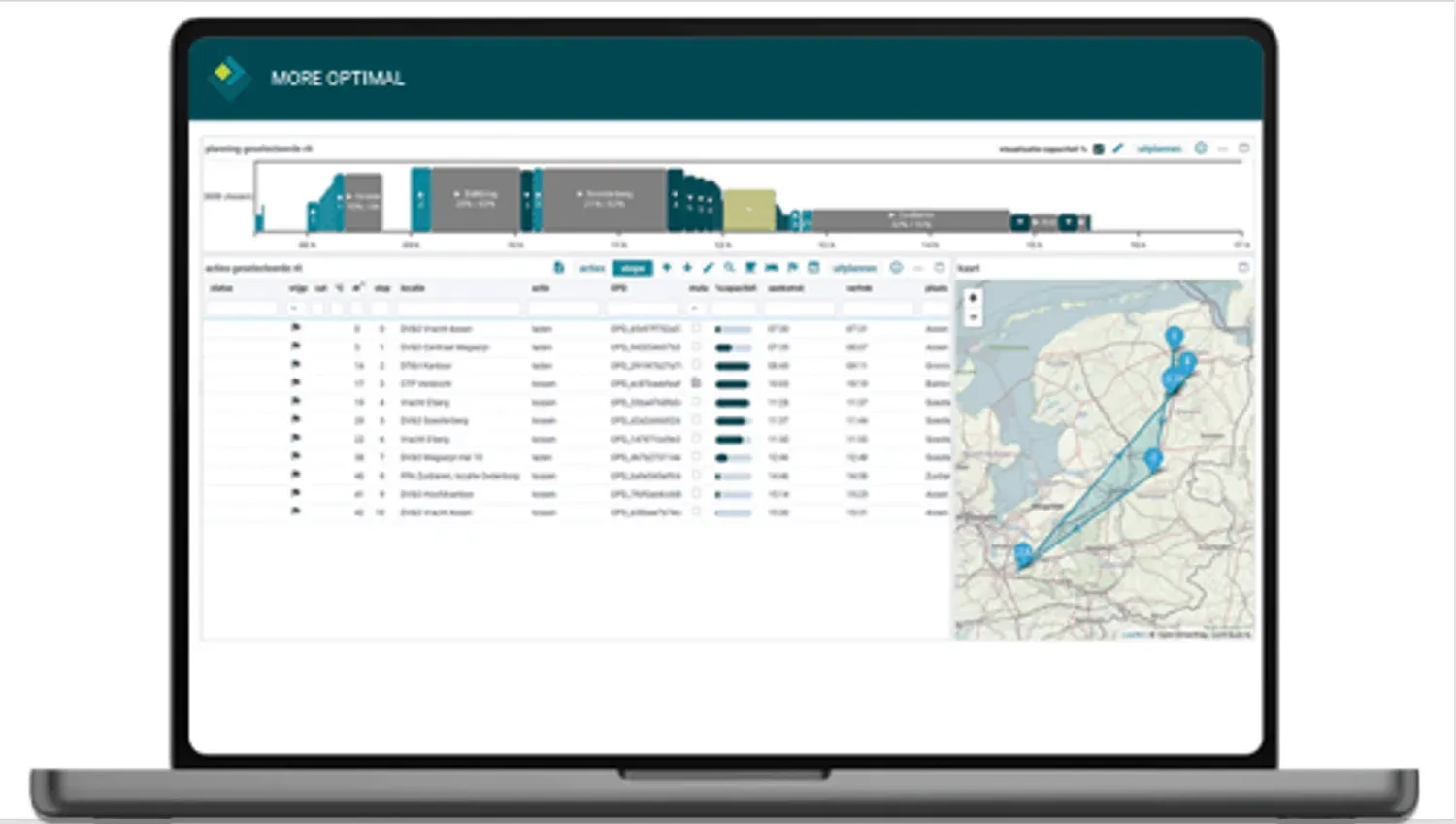
The DV&O planners are now working with the application that manages the planning for the four planning categories. Geraets: “This is fundamentally different from before the rollout. The old application was only set up for passenger transport but was partially used for the other categories. Now we have an overarching layer that allows us to support all components in the right way.” The planning application must be able to handle the specific requirements of the organization. Verberk: “By viewing this as four puzzles rather than one whole, you don’t make the dependencies larger than they are. Moreover, an integration layer has been added above those separate puzzles. Van den Bosch: “A characteristic of DV&O is the many business and planning rules. Additionally, there are many assignments. The combination of these is too much for a person to plan optimally without a planning application. This is even more true for making an optimization step. More Optimal does that for us now. We plan based on rules and are flexible because we can add and remove certain rules. The algorithm optimizes that puzzle.”

Adding and Removing Planning Rules
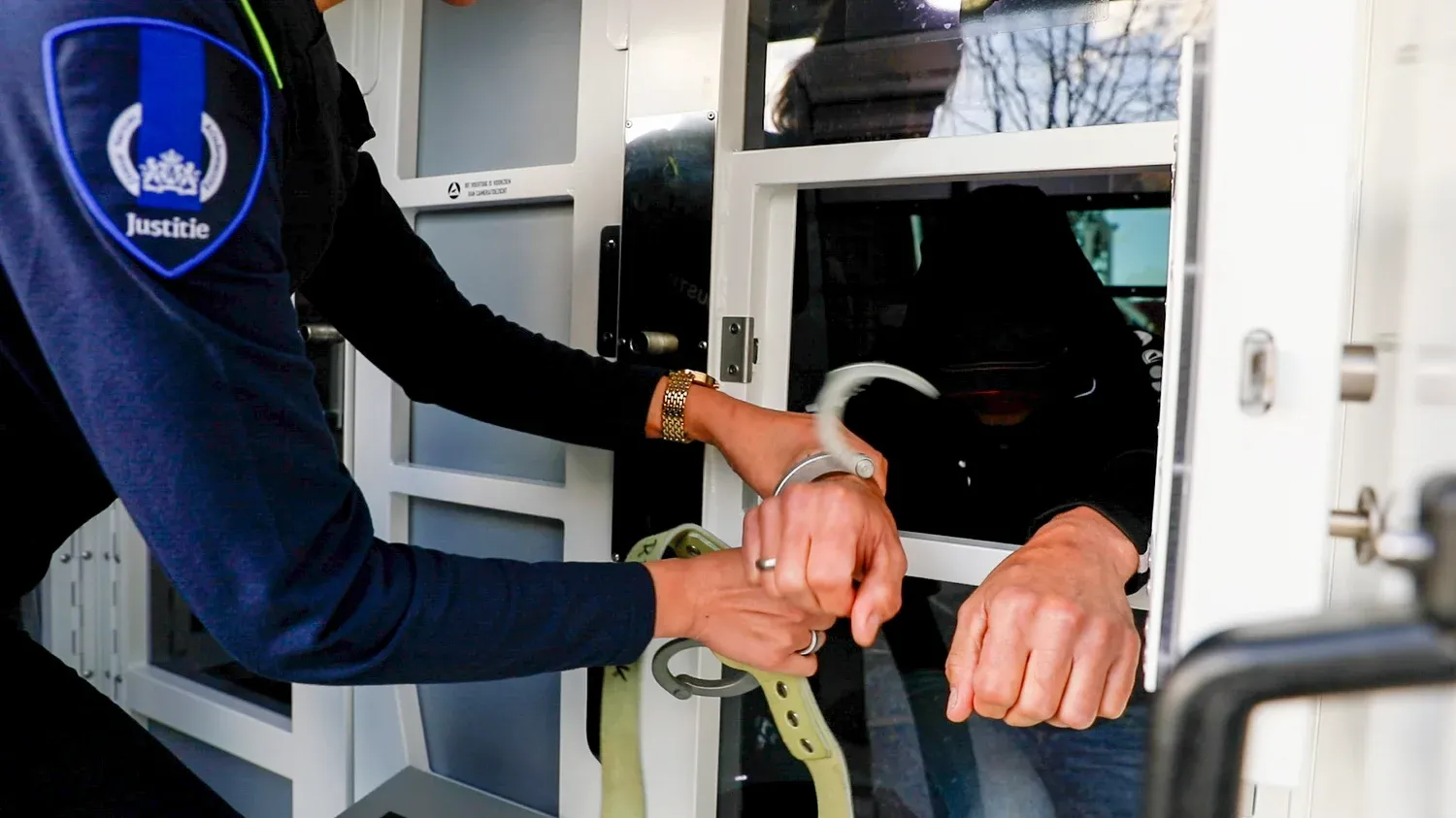
The logistics manager provides an example of the need to add or remove rules. “DV&O deals with different target groups that cannot always be transported together. A man and a woman cannot be in the same compartment, and young and old cannot be together. Sometimes business rules change suddenly, like during Covid-19. Not being able to combine results in multiple transport flows within the planning.”
Doing More with the Same Number of People
The benefits of the new planning application were clear from day one, say Van den Bosch and Geraets. The main advantage is that less time is needed for planning. “The planner evolves into an analyst, focusing on optimizing across business boundaries. You can simply do more with the same number of people and avoid unnecessary overtime.” They also emphasize the possibilities of the overarching optimization layer. Geraets: “This is truly an example of one plus one equals three.”
Optimization in Three Areas
Optimization mainly occurs within the planning environment. The software creates an optimal plan within four categories using available people and resources. Van den Bosch states, “Additionally, there are optimization opportunities by looking across the four categories to see if employees with the right skills are available, making the planning in another category more accurate or optimal. Scenario planning and simulations are also available. The scenario planning has a practical approach. “It can be set up to allow start times to shift slightly, such as starting a shift at six-thirty instead of seven. This can also be set up in an overarching manner.” The simulation tool can assess developments for their impact. If a new prison opens somewhere, it affects transport flows, and the software calculates what this means for planning. “The same applies if we were to switch to electric vehicles and want to see the effect on planning.”
Ready for the Future
Van den Bosch: “With this implementation, we can really move forward, especially in terms of sustainability. How great is it to better or more sustainably utilize something you already have, like a diesel bus? Service and sustainability are now important, and as DV&O, we can provide sustainable service to DJI.”